Strengthening the Resilience of Agricultural Lands and Forests
Rebuilding Dominica’s landscape in the aftermath of Hurricane Maria through participatory forest rehabilitation, sustainable agriculture, and livelihood development.


Rebuilding Dominica’s Natural Heritage: To strengthen resilience in the landscape surrounding Morne Trois Pitons National Park through participatory forest rehabilitation/restoration, sustainable agricultural practices, and the development of livelihood options.
Restoration and rehabilitation of denuded forest areas around the Morne Trois Pitons National Park
Promotion of sustainable agriculture in areas around the Morne Trois Piton National Park
Institutional strengthening, education, and training to address land degradation and climate risks
The project focuses on the landscape surrounding Morne Trois Pitons National Park, a UNESCO World Heritage Site that was severely impacted by Hurricane Maria in 2017.
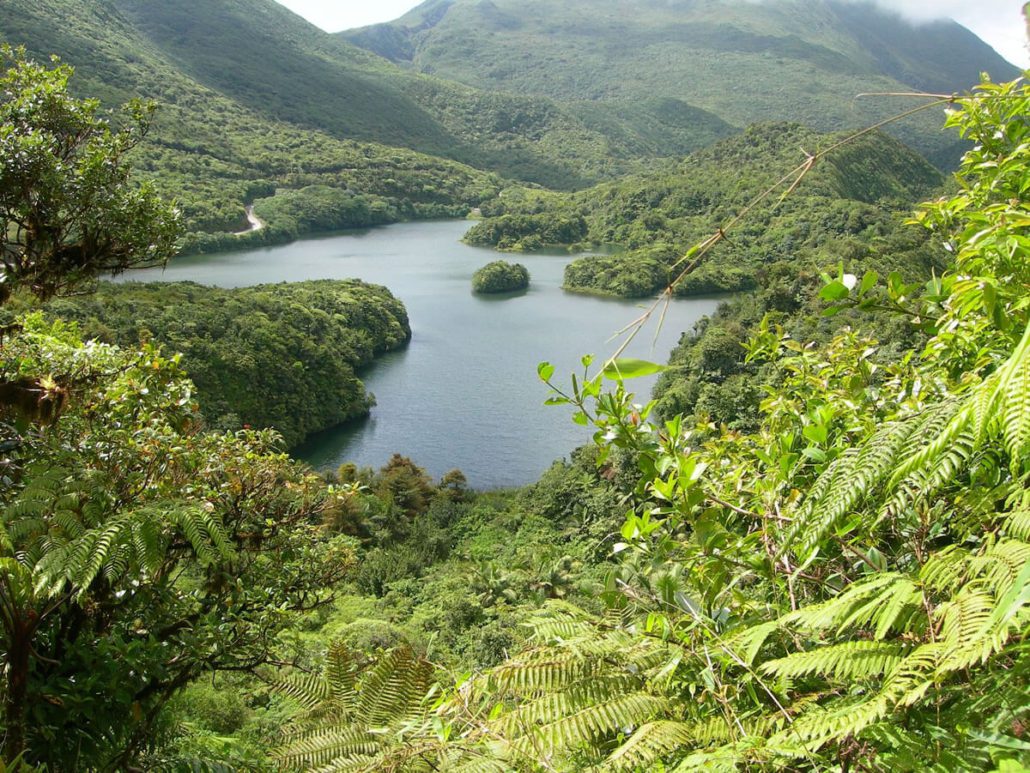
Our comprehensive approach has delivered significant environmental and social impact across Dominica’s landscape
Seedlings Planted
Hectares Reforested
Nursery Enhanced
Major Watersheds
The project has positively impacted twelve major watersheds across Dominica, including Cabrits-Douglas Bay Complex, Picard, Eden, Batali, Layou, Pagua, Rosalie, Roseau, Soufriere-Scotts Head, Coulibistrie Complex, and Quayaneri-Morne Jaune Complex.
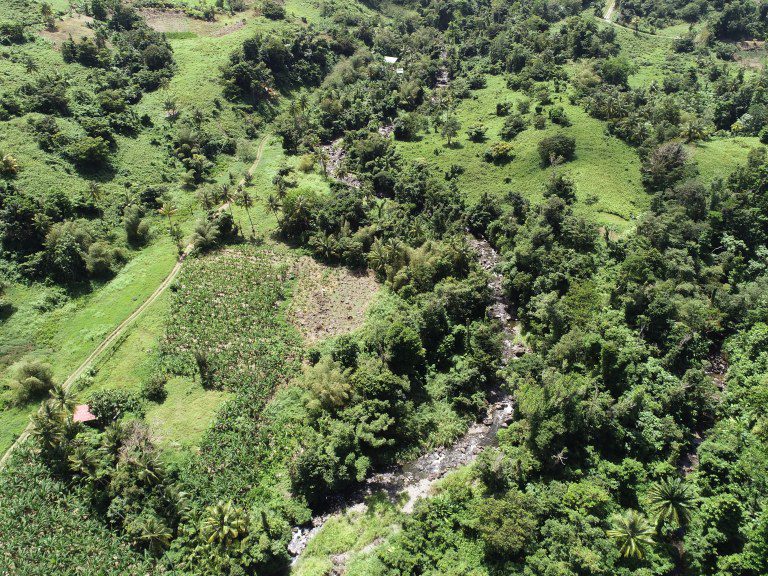
In collaboration with the Forestry Division, PISLM has embarked on a comprehensive project to rehabilitate over 500 hectares of denuded forest with the help of four dedicated teams across the island.
Explore the interactive map to view the location of reforested plots and farms. The blue polygons represent the impacted watersheds, while icons show specific restoration sites.
Mouse over hotspots to display information
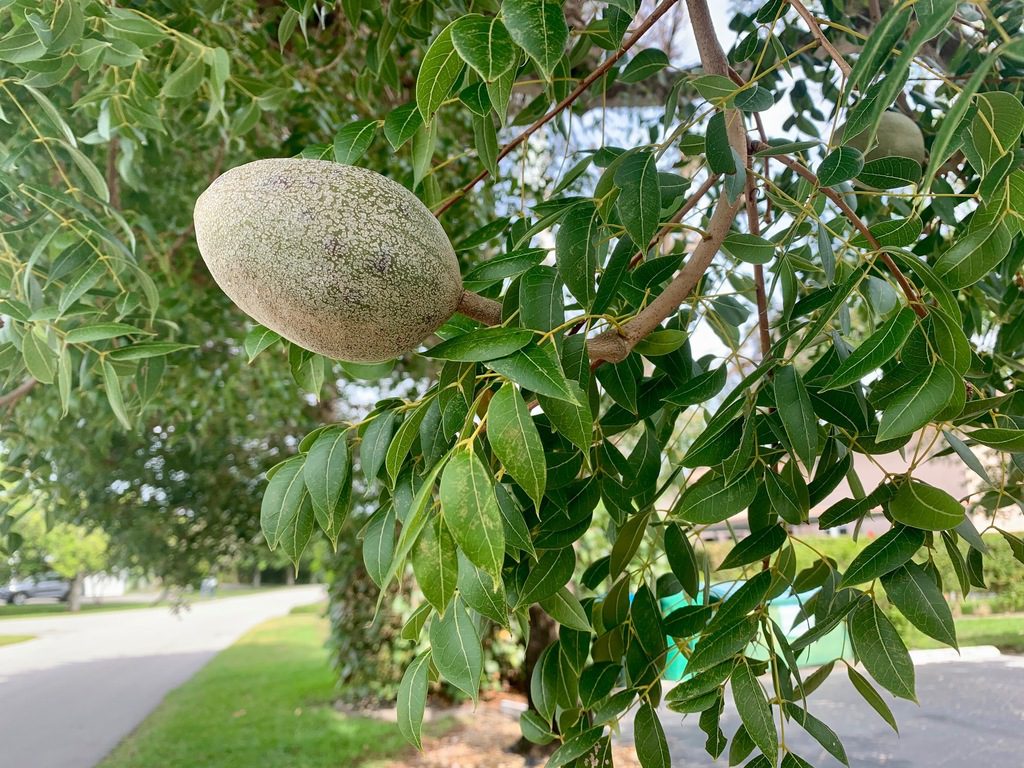
West Indian Mahogany (Swietenia Mahagoni) is a hardwood tree can grow to be 9 to 34 m tall. It is an ecologically valuable tree with water purification properties and the ability to absorb carbon from the atmosphere. It attracts butterflies, insects and a variety of bees. This species produces green flowers and brown fruits or seeds. It provides food and shelter for a large variety of wildlife.
12,000 + Seedlings Planted
Mouse over hotspots to display information
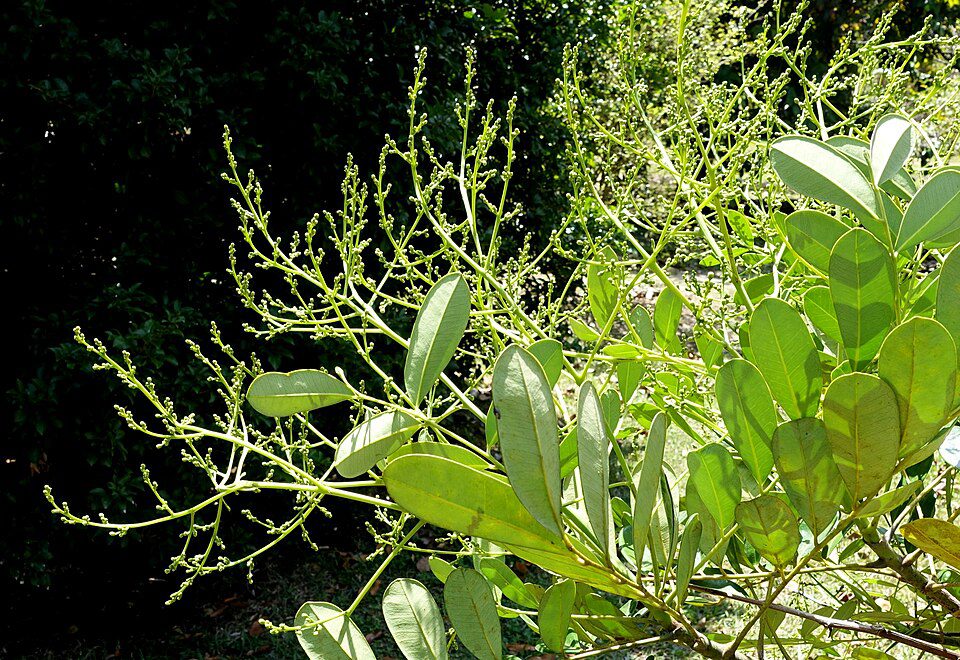
Appearance It is an evergreen, dioecious tree (producing male and female flowers on separate trees) that can reach a height of up to 42 meters (140 feet), though it is usually smaller, with a straight, cylindrical trunk.
6,200 + Seedlings Planted
Mouse over hotspots to display information
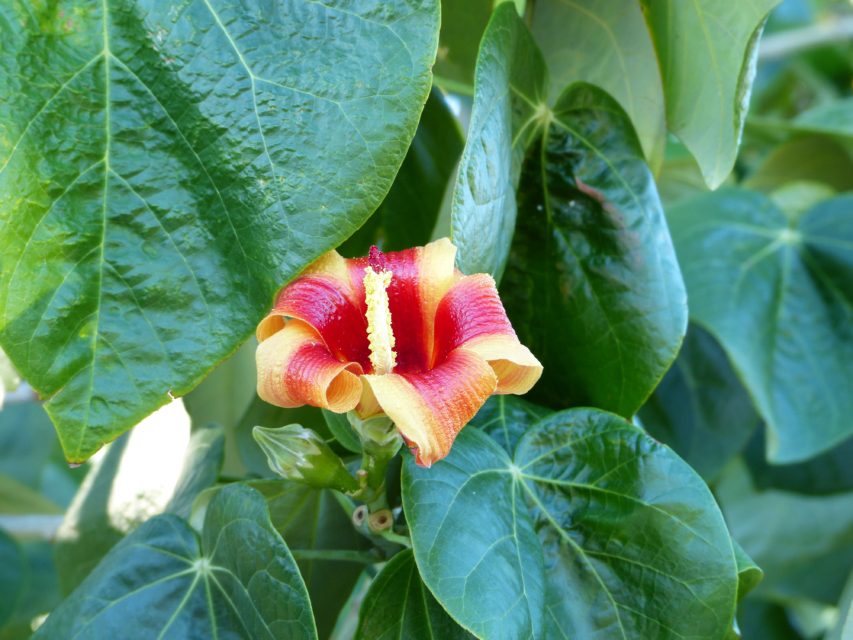
The Hibiscus elatus tree is quite attractive with its straight trunk, broad green leaves and hibiscus-like flowers. It grows quite rapidly, often attaining 20 metres (66 ft) or more in height. The flower changes color as it matures, going from bright yellow to orange, red and finally crimson.
The name mahoe is derived from a Carib word. The ‘blue’ refers to blue-green streaks in the polished wood, giving it a distinctive appearance.
8,500 + Seedlings Planted
Mouse over hotspots to display information
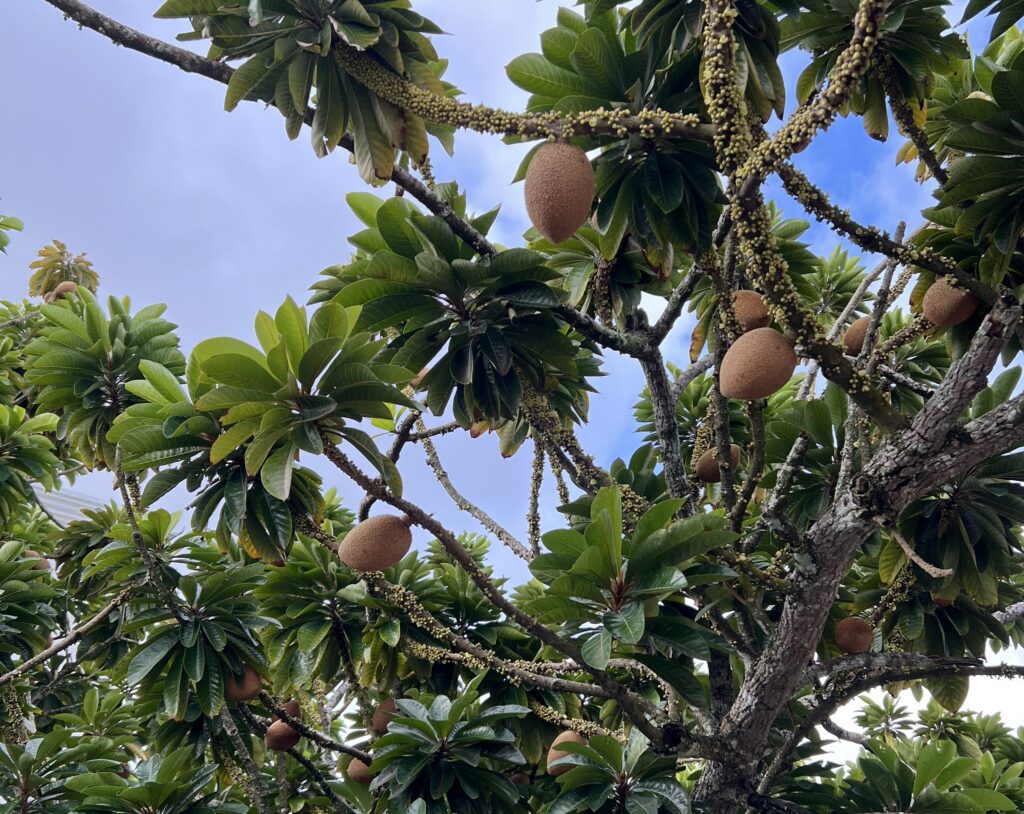
The term “mamey caribbean apricot tree” most commonly refers to the mamey apple (Mammea americana), a tropical evergreen tree native to the Caribbean that produces large, sweet, apricot-like fruit. It is important to distinguish this from mamey sapote (Pouteria sapota), a different species also called “mamey” but with a flavor more like pumpkin, honey, and sweet potato. Both are distinct from true apricots, which are not native to the tropics.
Eight (8) farms provided with plants
Mouse over hotspots to display information
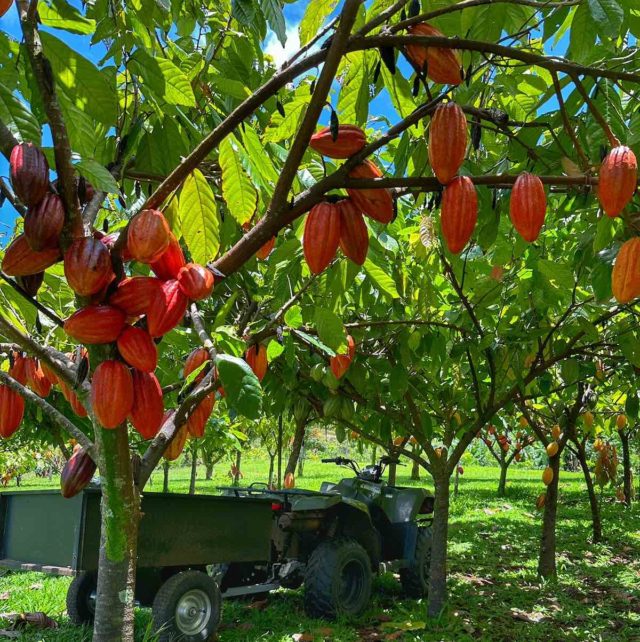
The cacao tree was first domesticated at least 5,300 years ago by the Mayo-Chinchipe culture in South America before it was introduced in Mesoamerica. Cacao was consumed by pre-Hispanic cultures in spiritual ceremonies, and its beans were a common currency in Mesoamerica. The cacao tree grows in a limited geographical zone; today. The three main varieties of cocoa plants are Forastero, Criollo, and Trinitario, with Forastero being the most widely used.
Twelve (12) farms provided with plants
Mouse over hotspots to display information
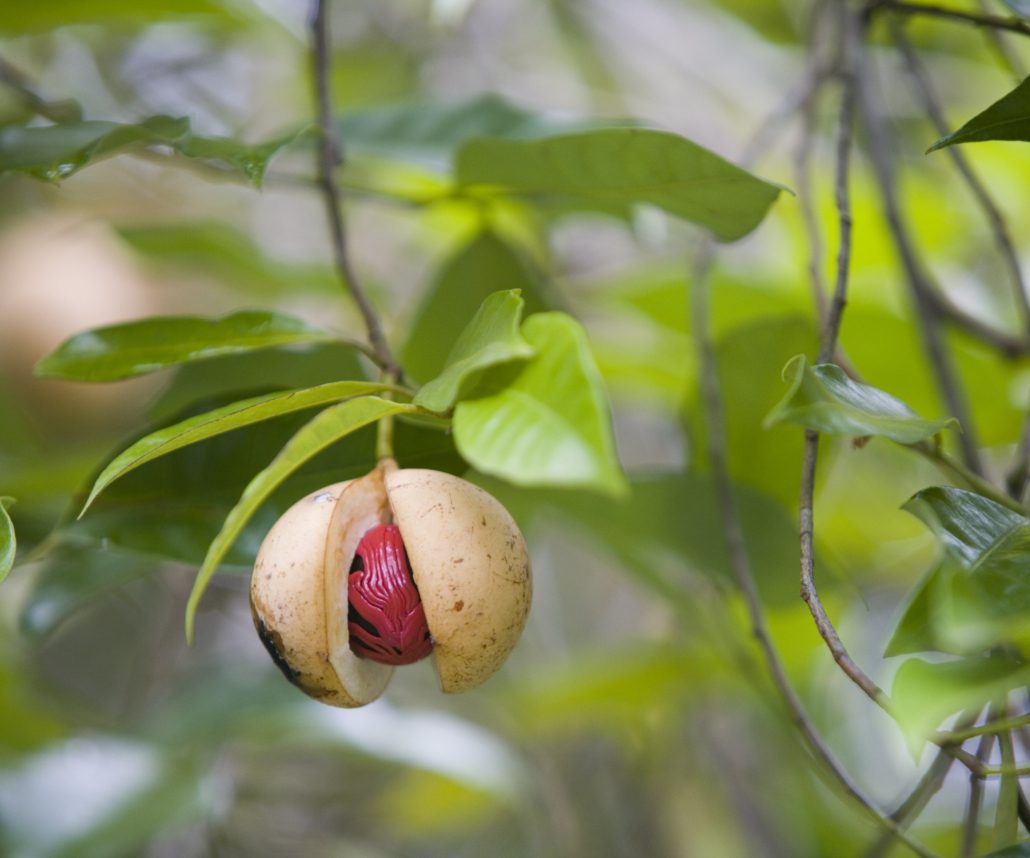
The “nutmeg tree” refers to Myristica fragrans, a tropical evergreen native to the Spice Islands of Indonesia that produces the spices nutmeg and mace. It is a slow-growing tree that can reach up to 65 feet tall, requires warm climates (USDA zones 11-12), and needs well-drained soil, and can take up to eight years to first produce fruit. The tree’s fruit has a fleshy husk that splits open to reveal a single, shiny seed (nutmeg) with a crimson, web-like covering called mace
Ten (10) farms provided with plants
Mouse over hotspots to display information
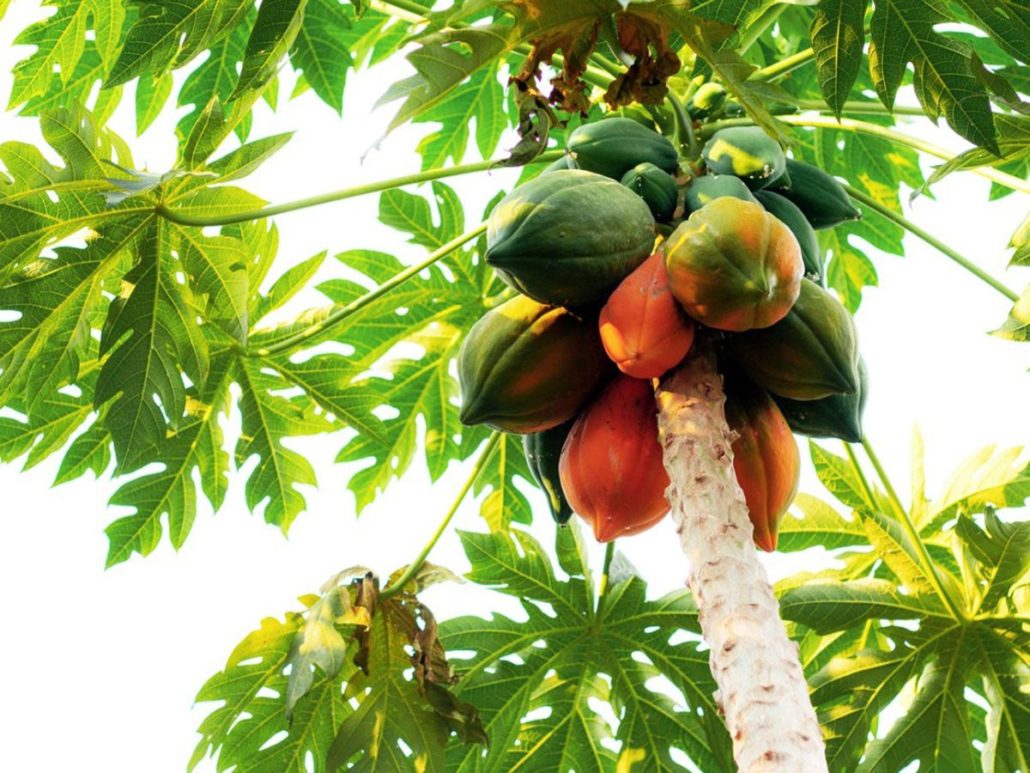
The papaya papaw, or pawpaw is the plant species Carica papaya, one of the 21 accepted species in the genus Carica of the family Caricaceae. Papaya is also the name of its fruit. It was first domesticated in Mesoamerica, within modern-day southern Mexico and Central America. It is grown in several countries in regions with a tropical climate. In 2022, India produced 38% of the world’s supply of papayas.
Nine (9) farms provided with plants
Mouse over hotspots to display information
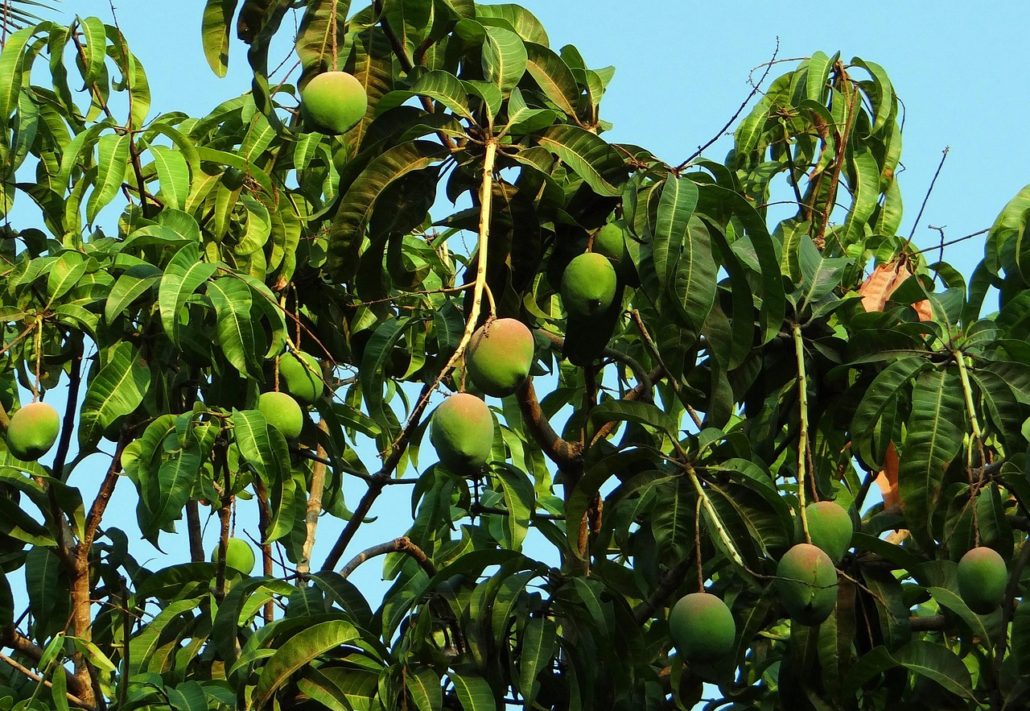
A mango tree, or Mangifera indica, is a large, long-lived evergreen tree that can grow up to 131 feet tall with a wide canopy. It features glossy, dark green leaves that are orange-pink when young and produces small, fragrant white flowers. Mango trees require warm climates, well-drained soil, and full sun to thrive.
Twelve (12) farms provided with plants
Mouse over hotspots to display information
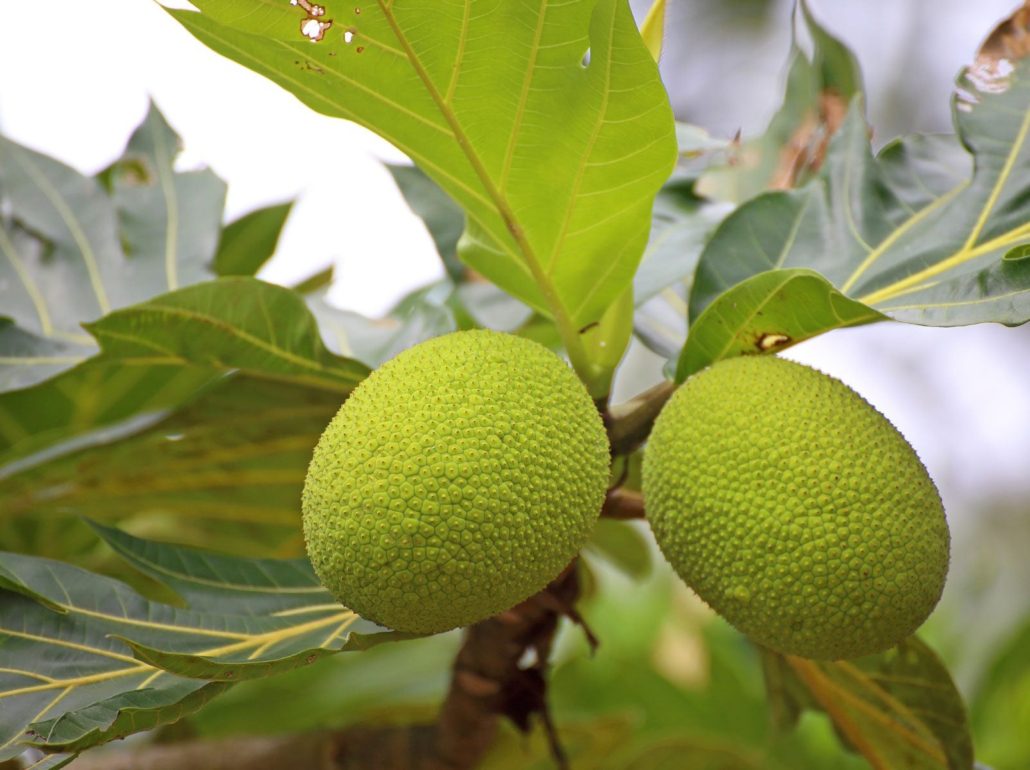
The breadfruit tree is a large, fast-growing tropical tree from Southeast Asia that produces starchy, protein-rich fruit used as a staple food. It is highly productive, yielding up to 250 fruits per tree annually, and requires minimal upkeep, making it a sustainable and valuable crop for food security. The tree is used for more than just food; its wood, leaves, and sap also have various traditional and modern applications.
Eleven (11) farms provided with plants
Supporting farmers in areas around the Morne Trois Piton National Park with sustainable agricultural practices that enhance productivity while protecting the environment.
Sustainable agriculture is a farming and food production system that aims to provide for current societal needs while preserving and enhancing the long-term health of the environment, the economic viability of farming, and the well-being of farming communities. It is a holistic approach to agriculture that takes into account not only the immediate economic and production aspects but also the broader social and environmental impacts.
Integrating trees with agricultural crops to improve soil health and biodiversity
Rotating crops to maintain soil fertility and reduce pest pressure
Implementing efficient irrigation and rainwater harvesting systems
Our comprehensive support system connects farmers with resources, training, and markets to ensure the success of sustainable farming initiatives across Dominica.
Our comprehensive approach delivers environmental, social, and economic benefits that create lasting positive change for Dominica’s communities and ecosystems.
An integral part of PISLM projects involves comprehensive data collection and management. Data serves as the foundation for informed decision-making, providing insights, trends, and patterns that help track progress and evaluate the success of initiatives.
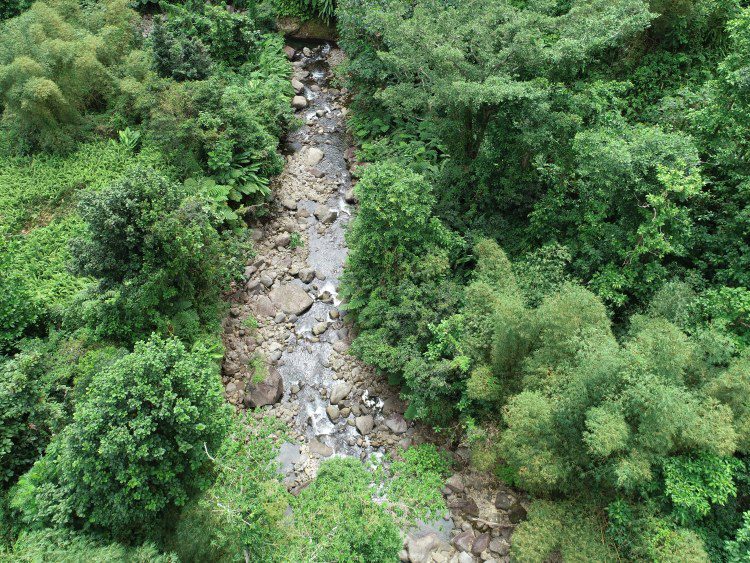
Seven government nurseries were rehabilitated with enhanced capacity, and eight private nurseries were engaged to ensure project targets were met with an annual output of over 10,000 seedlings.
Government Nurseries
Private Nurseries
Annual Seedlings
Total Partners
The success of the Hurricane Maria recovery project depends on strong partnerships between government agencies, international organizations, and local communities working together toward common goals.
Government Partner
Supporting sustainable agriculture initiatives
Financial Support
Implementation Partner
Leading forest restoration and management activities
Development Partner
Technical Support & Funding
Service Provider
Supplying seedlings and technical expertise
Beneficiaries
Active participants in restoration activities